Curing takes its days
A block that looks finished the morning after it is moulded is not finished. It is holding its shape and it would crumble under a boot. The yard leaves it covered and damp for days before anyone is allowed to stack it. Men who try to change a routine almost always judge it at the boot stage.
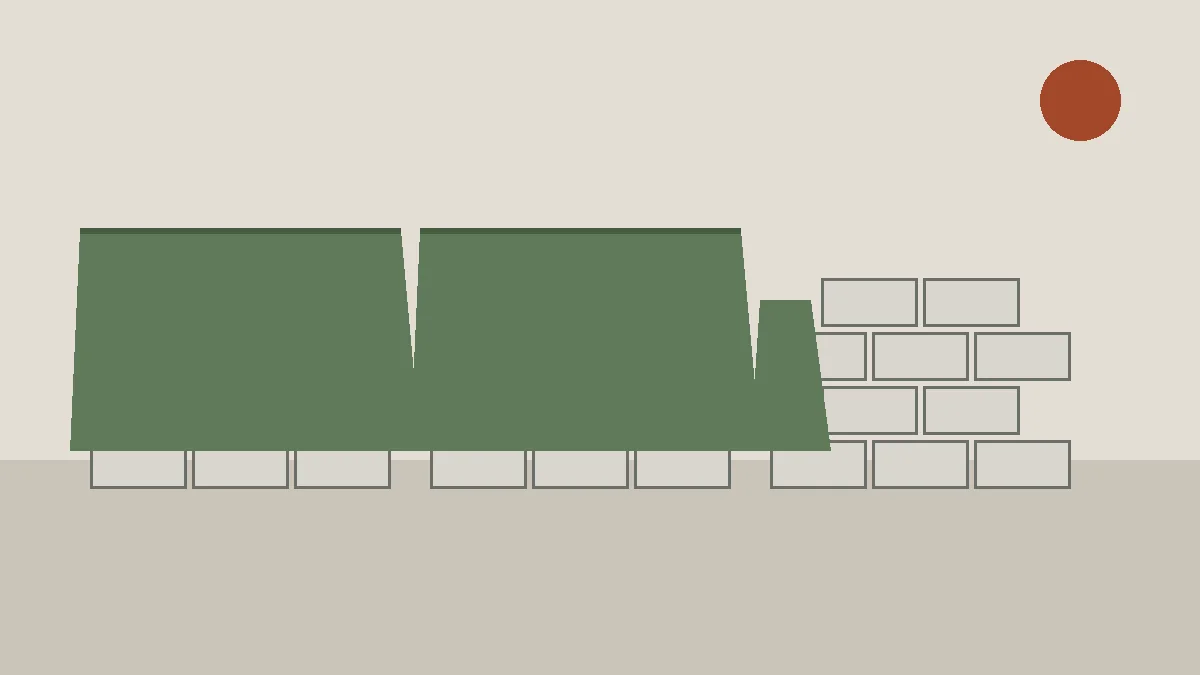
Concrete gains strength by a slow reaction between cement and water that continues long after the surface has dried. If the piece is left in the sun on day two, the water leaves before the reaction is done and the block is weaker for the rest of its life. The craft, then, is mostly patience: keep it covered, keep it damp, do not test it until the calendar says so. Every yard has a story about a customer who loaded pieces a day early and had to come back for more.
Readers of this section write to us about routines in the same tone that customers use about early loading. A man decides to walk before work, does it for four mornings, feels no different on the fifth, and concludes it was a waste. Another changes the hour he goes to bed, sleeps badly for a week because the body has not caught up, and goes back to the old hour. In both cases the habit was judged while it was still wet.
How long a routine stays wet
Honest answer: longer than anyone wants. The work on habit formation that we have read, written for the general reader, puts the point at which a new daily action stops needing deliberate effort somewhere between a few weeks and a few months, with a wide range from one person to the next. The body's own rhythms shift even more slowly than the mind's intentions do; a bedtime moved earlier takes the clock some days to accept. None of this means that four mornings of walking did nothing. It means that four mornings is the block on day two: holding shape, not yet carrying weight.
The yard works with this by refusing to inspect too early. The foreman writes the moulding date on the cover with a crayon and does not lift the cover until the days are up. He is not being lazy; he knows that lifting it to look lets the water out, and that his own impatience is the thing most likely to spoil the batch.
Covering the habit
What covering a routine looks like, in the words of men who have done it: deciding the test date in advance and writing it somewhere, so that the question "is this working" has a day on which it is allowed to be asked; keeping the habit small enough that a bad night or a long day does not break it; and not changing three things in the same week, because then nothing can be judged at all. One reader keeps a crayon line on his calendar, borrowed straight from this note, and says the line does more than the walk does.
The habit, taken home
Choose one change. Write the date on which you will judge it, several weeks out, and until that date treat it as wet concrete: keep it covered, keep it going, do not test it. When the day comes, lift the cover and look honestly. Most things that survive to that date are stronger than they felt on day four.
These notes describe a trade and what readers report, not medicine. A routine that makes a man feel worse rather than merely unfamiliar is not wet concrete; it is a reason to stop and ask a doctor.