The first pour happens before the sun clears the fence
The men who open our yard have a saying that the batch you pour at seven was decided at six. They mean the mix, the water, the mood of the crew. It turns out to be true of a man's day as well, and more so once his forties are behind him.
There is a version of the morning that most of us know by heart. The alarm goes, the phone comes up before the body does, and the first thirty minutes are spent lying still while the day's worries arrive one by one, like trucks queuing at the gate. By the time the feet touch the floor, the mix is already wrong: too much hurry, not enough air in it. The whole day is then poured from that batch.
The yard taught us a different order, not because anyone read about it, but because the work demands it. You cannot read a screen while raising a gate. You cannot scroll while you check the covers on yesterday's stacks. The first job of the morning is done standing up, outdoors, in the kind of light that has not yet turned harsh. Only after that does anyone sit at the desk in the shed and look at the order book.
What happens in a body during those first minutes is worth describing plainly. Daylight landing on the eyes tells the brain that the night is over; the body's clock, which drifts a little every day, gets reset to the real morning rather than to the alarm. Standing and walking warms muscles that have been still for hours. The lungs take in cooler air than the bedroom held. None of this is dramatic. It is the equivalent of wetting the mixer before the first batch: a small preparation that keeps everything after it from sticking.
Why the same minutes cost more in the second half of life
A man of twenty-five can pour his day from a bad batch and still get a decent wall out of it; the material is forgiving. From the mid-forties on, the margin thins. Readers write to us describing the same thing in different words: the morning still works, but it has to be started properly or it never quite gets going, and a sloppy start is paid for at three in the afternoon rather than at nine. The yard's foreman, who is past fifty himself, puts it this way: when he was young he could skip the checks and the concrete forgave him; now the concrete remembers.
Research on the body's daily rhythm supports the general shape of this. Light early in the day is one of the strongest signals the body has for setting its clock, and a clock set well tends to make the evening tired at the right time, which in turn makes the next morning easier. We are not going to quote numbers at you, because the studies measure groups and you are one man, but the direction is consistent enough that the yard has quietly built its routine around it.
What the yard actually does
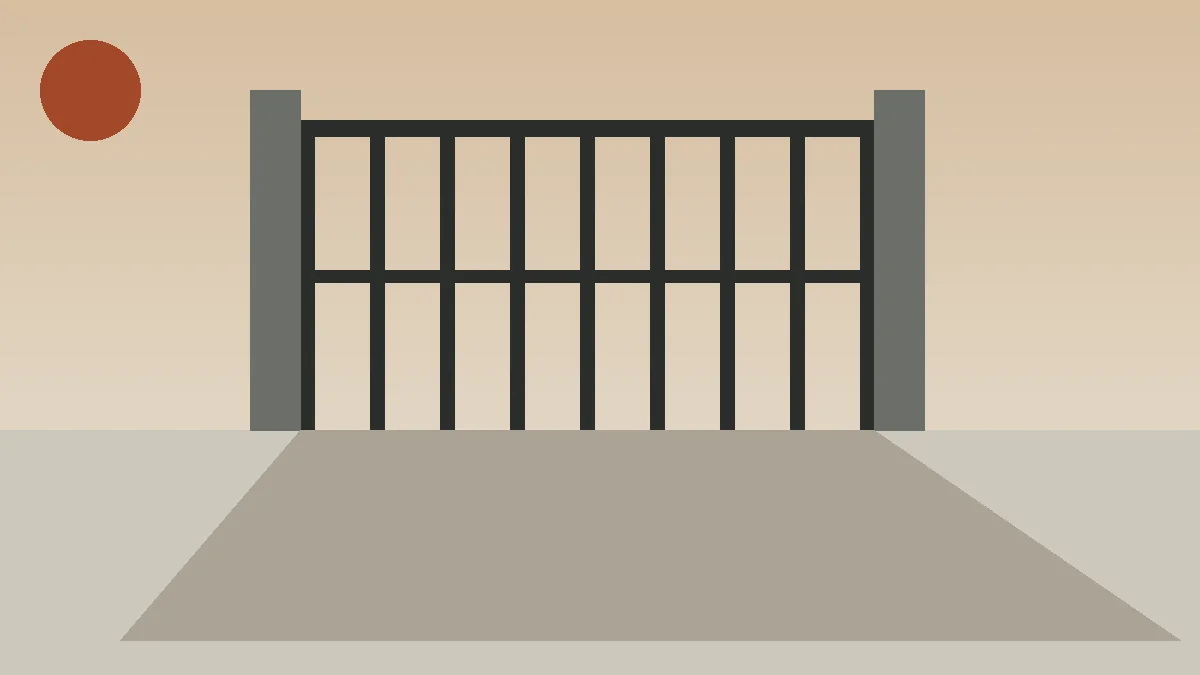
The gate goes up first. Whoever opens it stands in the opening for a moment, looks down the row of stacks, and walks the length of the yard once, checking covers and reading the sky. That walk takes a few minutes and ends at the shed. Coffee happens after it, not before; the phone stays in the shed until the walk is done. On days when the rain makes the walk pointless, somebody still stands under the roof of the loading bay with the big door open, because the point was never the inspection. The point was the light and the standing.
The habit, taken home
Before the phone, before the screen, before sitting down: open a door or a window, step into daylight if there is any, and stay on your feet for the length of a short walk, indoors or out. Look at the day rather than at the list of what it contains. Then start.
It is not a cure for anything and it is not a trick. It is the first pour, done in the right order.
These notes describe what a working yard does and what readers have told us. They are not medical guidance. A man who is tired for weeks on end, or whose tiredness comes with other changes, should bring it to a doctor who knows his history rather than to a page written at a gate.